


Becoming a Trauma-Informed Peacemaker: My MA Journey as a South African
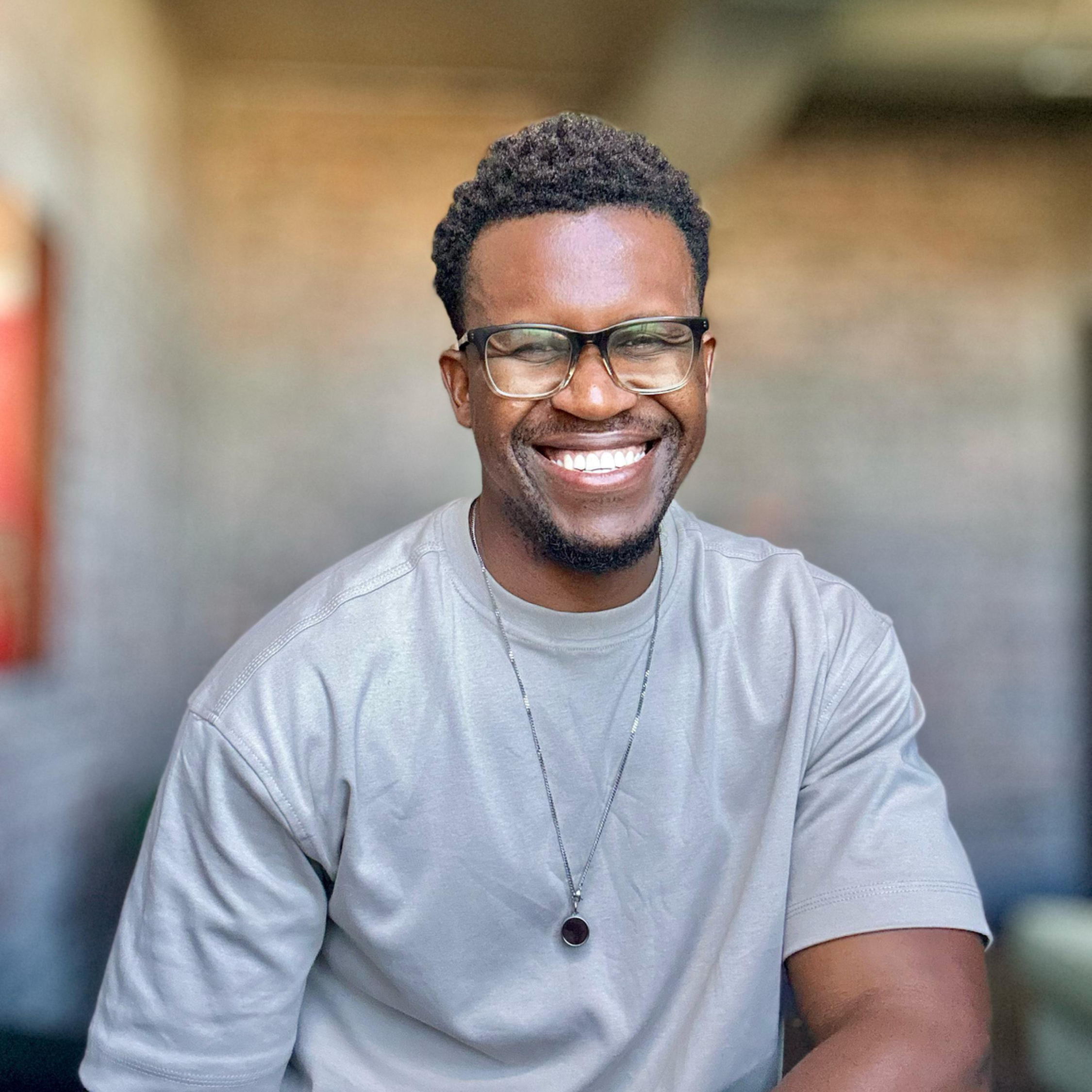
by Phinius Sebatsane
When I began my Master’s journey at SSU, I did not come as a blank slate. I came as a South African.
I came as someone born on a farm in Vaalwater, raised by a grandfather who taught me that land carries memory, dignity, and healing. I came as someone shaped by a country still wrestling with the legacy of apartheid, inequality, and unresolved trauma. And I came as someone who had already seen that prayer without justice is not enough.
My MA did not just give me academic knowledge. It gave language to things I had already seen, felt, and experienced.

Learning to Name Trauma
In South Africa, trauma is not abstract. It lives in communities on the Cape Flats. It lives in families fractured by violence, addiction, and poverty. It lives in land dispossession and economic exclusion.
Through my studies, I learned that trauma is not only personal; it is historical, structural, and political.
The legacy of apartheid, legislated through policies of the National Party, did not end in 1994. While the Truth and Reconciliation Commission offered a moral and spiritual framework for national healing, many communities still carry unaddressed wounds.
My MA helped me understand how trauma affects the brain and behaviour; how unhealed trauma fuels cycles of violence; why policing and militarisation cannot heal broken communities; and why justice and dignity are essential for sustainable peace.
I began to see that peacebuilding without trauma awareness can unintentionally reproduce harm.

Moving from Charity to Justice
One of the most transformative lessons for me was understanding the difference between charity and justice. In many African contexts, including South Africa, we are told to be grateful for charity. But communities do not need pity; they need power, access, and political will.
My studies deepened my understanding of structural violence, land and injustice, economic exclusion, youth unemployment, gender-based violence, and religious and ethnic tensions.
Peace is not just the absence of war. It is the presence of justice.
As a South African, this hit close to home. We live in one of the most unequal societies in the world. You cannot preach reconciliation where inequality remains untouched. You cannot spiritualize suffering that is politically produced.
My MA taught me that trauma-informed peacebuilding must address systems, not only symptoms.

Faith, Ethics, and Public Leadership
As someone shaped by faith, I wrestled deeply with the role of religion in politics and peace.
South Africa’s transition from apartheid showed the world that faith leaders can play a powerful role in reconciliation. Yet faith can also be used to protect power and silence dissent.
My MA challenged me to ask questions. How do we speak truth to power without becoming power-hungry? How do we confront injustice without dehumanising our opponents? How do we hold both accountability and compassion?
These are not just academic questions. They are daily realities in South Africa and in many parts of Africa and the Middle East.
Africa and the Middle East: A Shared Wound, A Shared Hope
The conflicts in parts of Africa and the Middle East are often framed as religious, tribal, or ideological. But beneath many of them lie colonial borders, resource exploitation, authoritarian governance, and intergenerational trauma.
Whether in parts of East Africa, the Sahel, or the Holy Land, communities carry wounds that are both political and psychological.
As a South African, I carry a unique perspective. We are a nation that has experienced institutionalised oppression and yet attempted a path toward reconciliation. Our journey is incomplete, but it offers lessons. Truth-telling matters, and justice cannot be postponed indefinitely. Trauma must be addressed at individual and communal levels, and youth must be included in shaping the future.
My calling is to serve as a trauma-informed peacemaker in Africa and the Middle East as someone who understands that healing and justice must walk together.

What I Learned About Myself
Perhaps the greatest lesson of my MA was not theoretical; it was personal.
I learned that I am more passionate about justice than I realised. My rural upbringing shaped my understanding of dignity and land, and my anger at injustice must be transformed into disciplined, strategic action. Peace-building requires patience, inner healing, humility, and collaboration.
I also learned that peace work is not heroic. It is slow, relational, and often invisible.
The Road Ahead
My vision is to work at the intersection of trauma healing, community development, faith leadership, policy advocacy, and youth empowerment.
I want to help build communities where former enemies can sit at the same table; survivors are not silenced; young leaders are trained in trauma literacy; and governments are challenged to prioritise justice.
Peace is not soft work. It is courageous work.
As a South African, I carry both the pain of our history and the hope of our resilience. My MA at SSU has equipped me not just with knowledge, but with clarity of calling.
The work ahead in Africa and the Middle East will be complex. But if we are serious about peace, we must become trauma-informed, justice-driven, and ethically grounded leaders.
That is the journey I am committed to, and I thank SSU for believing in me and cheering me on this journey of becoming more like Jesus, the Peacemaker.

Phinius Sebatsane is a trauma-informed human rights activist based in Cape Town and the founder of Rea Thusana Foundation, supporting survivors of gender-based violence, human trafficking, and homelessness. With a background in journalism, marketing, trauma counselling, and community development, he combines storytelling with practical care and systemic advocacy. He is currently pursuing a Master’s in Peace and Justice through St. Stephen’s University and Bethlehem Bible College. Passionate about diplomacy and geopolitics, Phinius seeks to advance healing, justice, and reconciliation across Africa and the Middle East, working toward communities where dignity, peace, and human rights are protected and restored.